

Choosing between an introductory first-month auto-renewal trial and a fixed prepaid pack comes down to account history, payment access, and how long you plan to listen. QQ Music restricts new-user promotional rates strictly to accounts that have never activated Green Diamond at any point since the service began in 2005. If you qualify and cancel before the billing cycle ends, the trial offers minimal short-term spending, but uncancelled renewals revert to standard recurring rates that nearly double your cumulative outlay across twelve months compared to an annual pass.
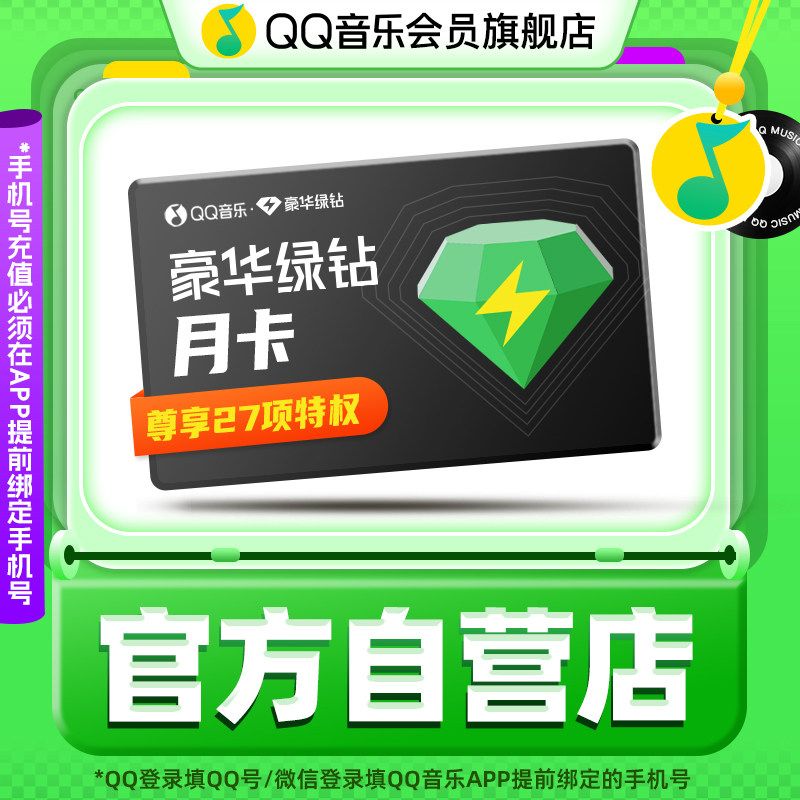

QQ Music Member Top up (CN)
Account history rules for the first-month introductory offer
Tencent applies strict lifetime eligibility filters to its promotional onboarding rates. While marketing banners highlight entry-level pricing for Luxury Green Diamond, the platform disqualifies any account that activated Green Diamond previously, dating back to the feature's 2005 debut (Taobao listing analysis). Returning listeners who let an old subscription expire cannot claim the QQ Music Green Diamond first recharge bonus.
An existing profile defaults straight to standard recurring rates at checkout. Creating a secondary account grants the thirty-day discount, but isolates your saved playlists, favorites, and listening history. Established listeners avoid library fragmentation by choosing standalone fixed-term recharge packs instead.
Evaluating recurring monthly billing against annual commitments
Introductory pricing covers only the initial thirty-day billing cycle. Once that window closes, subscriptions convert automatically to standard continuous monthly rates (Taobao seller overview).
Maintaining month-to-month auto-renewals across an entire year generates an aggregate expense roughly double that of an upfront annual pass. Tencent adjusted baseline renewal rates upward on June 3, 2023, setting continuous annual subscriptions for existing users alongside bundled audiobook tiers (Baidu Baike). If you listen regularly throughout the year, securing an annual duration upfront locks in a lower effective monthly expenditure without requiring cancellation management.
Managing renewal agreements and cancellation windows
Introductory rates link directly to recurring authorization agreements through mainland digital payment channels. Service providers bundle discounted entry points with automated recurring deductions that charge bound balances immediately before a billing cycle concludes (Baidu Baike). Deleting the music application from your device does not revoke authorization or stop future billing.
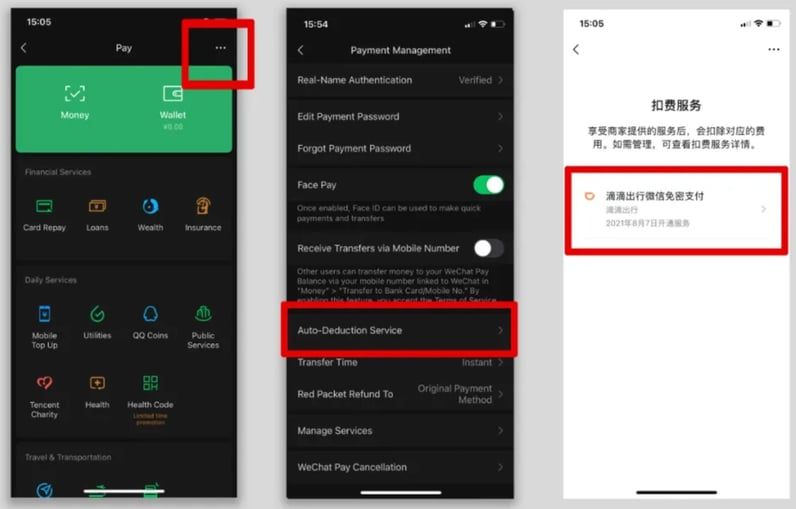
Terminating an automated agreement requires disabling permissions inside the root payment processor:
- WeChat Pay: Select Me, proceed to Services, open Wallet, enter Payment Settings, choose Auto-Renewal, find QQ Music, and select Disable Deduction Service.
- Alipay: Open your Security Center, locate Account Authorization, select the active music service agreement, and revoke recurring permissions.
- Apple iOS: Open system Settings, tap your Apple ID profile, choose Subscriptions, locate the application, and confirm cancellation before the cycle concludes.
Failing to disable the agreement ahead of the renewal trigger results in an automatic charge at the standard monthly baseline.
Payment obstacles and purchasing routes for international accounts
Claiming in-app promotional pricing requires mainland Chinese payment channels—specifically bank cards linked to WeChat Pay, Alipay, or a mainland-region Apple ID balance. Without these domestic payment options, recurring checkout fails.
Fixed prepaid durations provide an alternative route. Through QQ Music Member Top up (CN), users submit a QQ ID or bound WeChat account and complete checkout with international payment options. This grants standard Green Diamond VIP perks—lossless playback, Hi-Res streaming, and offline downloads—without recurring billing agreements or mainland bank requirements.
A critical technical rule applies: third-party prepaid top-up services apply exclusively to profiles registered in Mainland China (NXPGame product notes). Regional foreign registrations cannot process mainland digital credits.

Comparing introductory promotions and prepaid terms
The practical differences between in-app promotional renewals and third-party prepaid top-ups center on long-term commitments, required payment credentials, and regional eligibility:
| Subscription Feature | In-App Introductory Promo | Standard Prepaid Packs |
|---|---|---|
| Account Eligibility | Brand-new accounts only (no activation since 2005) (Taobao) | Any Mainland China registered profile (NXPGame) |
| Billing Model | Automated recurring deduction (Baidu Baike) | Single non-recurring prepaid block |
| Payment Requirement | Mainland Chinese bank card or local mobile wallet | International payment methods accepted externally |
| Subsequent Rates | Reverts to standard regular rate after thirty days | Set upfront per pack duration (monthly or annual) |
| Cancellation Burden | Mandatory manual revocation inside wallet settings | None; service expires automatically at term end |
| Annual Cost Profile | Up to double the expense if monthly billing continues | Lower overall outlay when selecting twelve-month passes |
Frequently asked questions
Can returning users claim promotional rates by creating a second profile?
A secondary profile qualifies for promotional entry rates as long as that specific ID never activated Green Diamond. However, Tencent does not merge libraries across profiles, meaning your saved albums, personal favorites, and created playlists remain stranded on the original profile.
What happens to downloaded tracks when a prepaid pass concludes?
Offline downloads authorized under VIP privileges require an active membership token for playback. Once a prepaid pass expires without renewal, downloaded tracks lock until a replacement monthly or annual recharge processes on the mainland profile.
How do third-party storefronts deliver prepaid subscriptions?
External merchants credit VIP status directly to the user's account over Tencent's backend system using the designated QQ ID or linked mobile number, eliminating the need to share private account passwords.

Community
Comments