

To eliminate stutter and thermal throttling on Kuaishou, turn on hardware decoding in the player settings and toggle off High-Definition Playback if your device has slow internal storage or writes to an SD card. Hardware decoding prevents severe CPU spikes that shorten battery life by 25% to 37% on standard mobile hardware, while turning off HD preloading removes the 15–5MB/s continuous local caching bottleneck that causes playback freezes and unexpected resolution drops.

快手 Kwai (CN) Coin
- -70%
快手 Kwai (CN) Coin 60 Kwai Coins
Buy NowUSD 1.01
USD 1.72
- -70%
快手 Kwai (CN) Coin 500 Kwai Coins
Buy NowUSD 8.45
USD 14.37
- -70%
快手 Kwai (CN) Coin 980 Kwai Coins
Buy NowUSD 16.57
USD 28.17
- -70%
快手 Kwai (CN) Coin 3980 Kwai Coins
Buy NowUSD 67.29
USD 114.39
- -70%
快手 Kwai (CN) Coin 6660 Kwai Coins
Buy NowUSD 112.61
USD 191.43
Decoding Profiles and Resolution Impact
Video stuttering in the Chinese Kuaishou client is often caused by an imbalance between local hardware throughput and the app's rendering pipeline. High-resolution streams and short videos demand substantial processing overhead. When a mobile phone falls back to software rendering, the main processor handles the raw video stream instead of dedicated silicon blocks.
Industry benchmarks documented by Streaming Media show that software decoding increases CPU workload on a typical 4000 mAh mobile device, reducing battery life by 25% to 37% while increasing frame drop rates and buffering. Meanwhile, Kuaishou applies automated AI post-processing on compatible devices. According to NXRTE, Kuaishou's audio/video team and Y-tech built an adaptive post-processing pipeline utilizing the KwaiNN AI engine with INT8 quantization. This setup achieves up to 0p at 0fps real-time processing on mid- to high-end phones, handles 0p at over 100fps with a current draw increase of just 8mA, cuts inference power by 32% to 87%, and improves peak signal-to-noise ratio (PSNR) by approximately 0.8dB.
| Playback Pipeline Component | Visual Quality & Processing Metric | Hardware & Battery Impact | Reference | Source Visual |
|---|---|---|---|---|
| Hardware Decoding (H.264 / HEVC) | Smooth native frame delivery up to stream ceiling | Baseline power consumption (0% battery drain penalty) | Streaming Media |  |
| Software Decoding (CPU) | Increased frame stutter and dropped frames | 25% to 37% shorter battery life on a 4000 mAh device | Streaming Media | 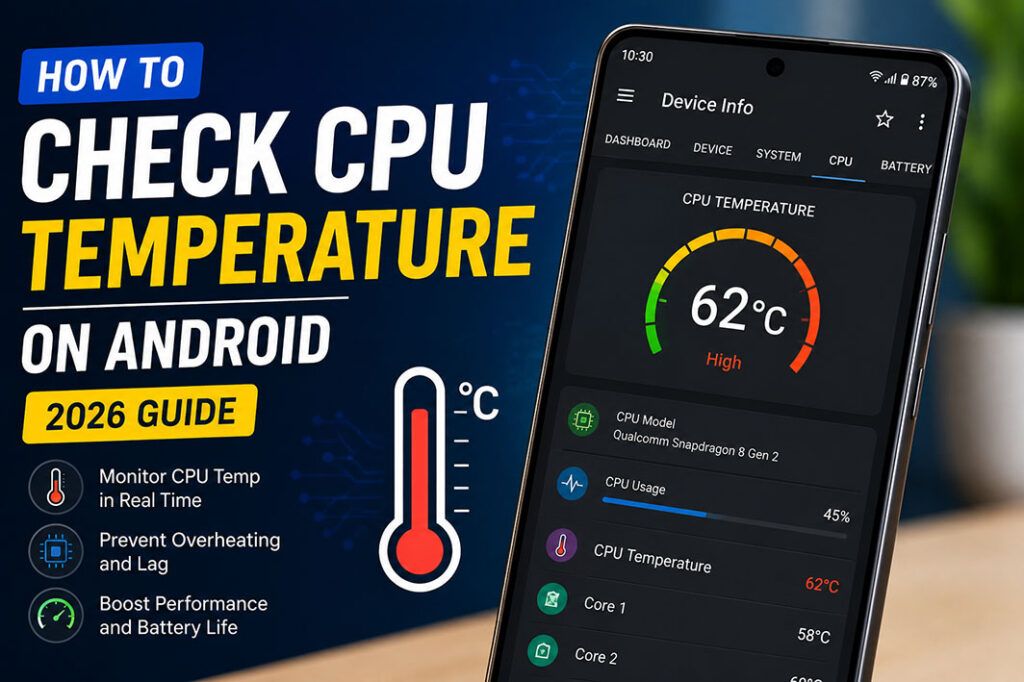 |
| KwaiNN On-Device Super-Resolution | 0.8dB PSNR gain and +0.12 internal quality score | 100+ fps on 0p content with +8mA current draw | NXRTE | 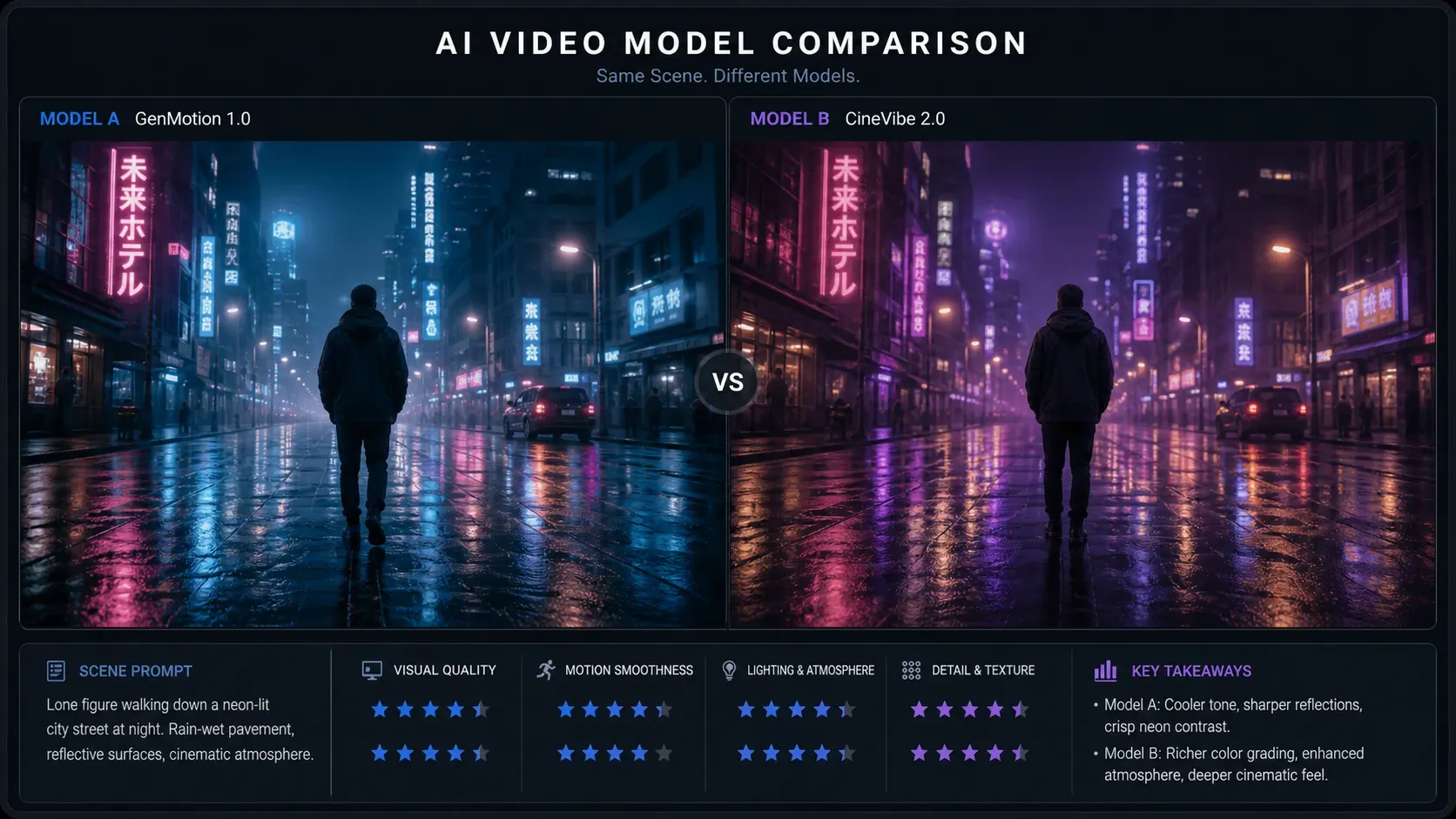 |
| Live Adaptive Streaming (LAS) | Dynamic clarity scaling up to Blu-ray 8M (蓝光8M) | Zero latency penalty; eliminates manual buffering | iFeng Tech |  |
Why High-Definition Preloading Stutters on Slow Storage
Many users assume that keeping every high-definition toggle active produces the cleanest picture. In Kuaishou, this setting introduces a distinct local storage bottleneck.
Documentation from Taobao Jianghu shows that turning on "High-Definition Playback" forces Kuaishou to preload higher-bitrate chunks at write speeds between 15MB/s and 5MB/s directly into the device's local cache. If a phone relies on older eMMC flash, has low random-write throughput, or uses an external SD card, the storage controller cannot clear the incoming buffer in time. The client experiences local cache failures, leading to repeated buffering pauses, frame hitching, and automatic resolution drops. Disabling HD playback stops these heavy write bursts, stabilizing performance on modest hardware.

| Setting Configuration | Storage Throughput Demand | Playback Stability on Slow Storage | Recommended Device Tiers | Reference |
|---|---|---|---|---|
| High-Definition Playback: OFF | Standard baseline caching | Eliminates I/O stutter and stabilizes frame pacing | Budget hardware, devices using SD card storage | Taobao Jianghu |
| Standard Live Adaptive Streaming (LAS) | Bandwidth-dependent network streaming | Smooth real-time playback without extra latency | All network environments and device tiers | iFeng Tech |
Fixing Live Stream Lag and Bitrate Drops
Live streams inside Kuaishou use a proprietary distribution architecture rather than fixed-bitrate pipes. Kuaishou developed and deployed the Live Adaptive Streaming (LAS) standard across its live broadcast infrastructure, as detailed by iFeng Tech.
LAS continuously monitors your network connection stability in real time. Rather than allowing a stream to freeze when throughput dips, the algorithm automatically adjusts the video stream between lower bitrates and "Blu-ray 8M" (蓝光8M). It performs this scaling without adding playback latency. If a broadcast drops quality abruptly, the cause is usually network fluctuations triggering LAS to protect audio-video synchronization, rather than app rendering errors.
Viewers interacting with creators through live gifts use 快手 Kwai (CN) Coin, the official virtual currency for Kuaishou in Mainland China, during these high-bitrate sessions. Maintaining smooth live playback prevents input delays and visual dropped frames when gifting animations appear on screen.
Display Refresh Rates and Battery Saver Traps
Operating system battery-saver features often clash with media playback engines. A report on CSDN notes that system-level battery-saver modes down-prioritize high refresh rate requests, forcing display panels down to 0Hz or even 0Hz regardless of what the application requests. This creates noticeable frame pacing stutter during short-video scrolling.
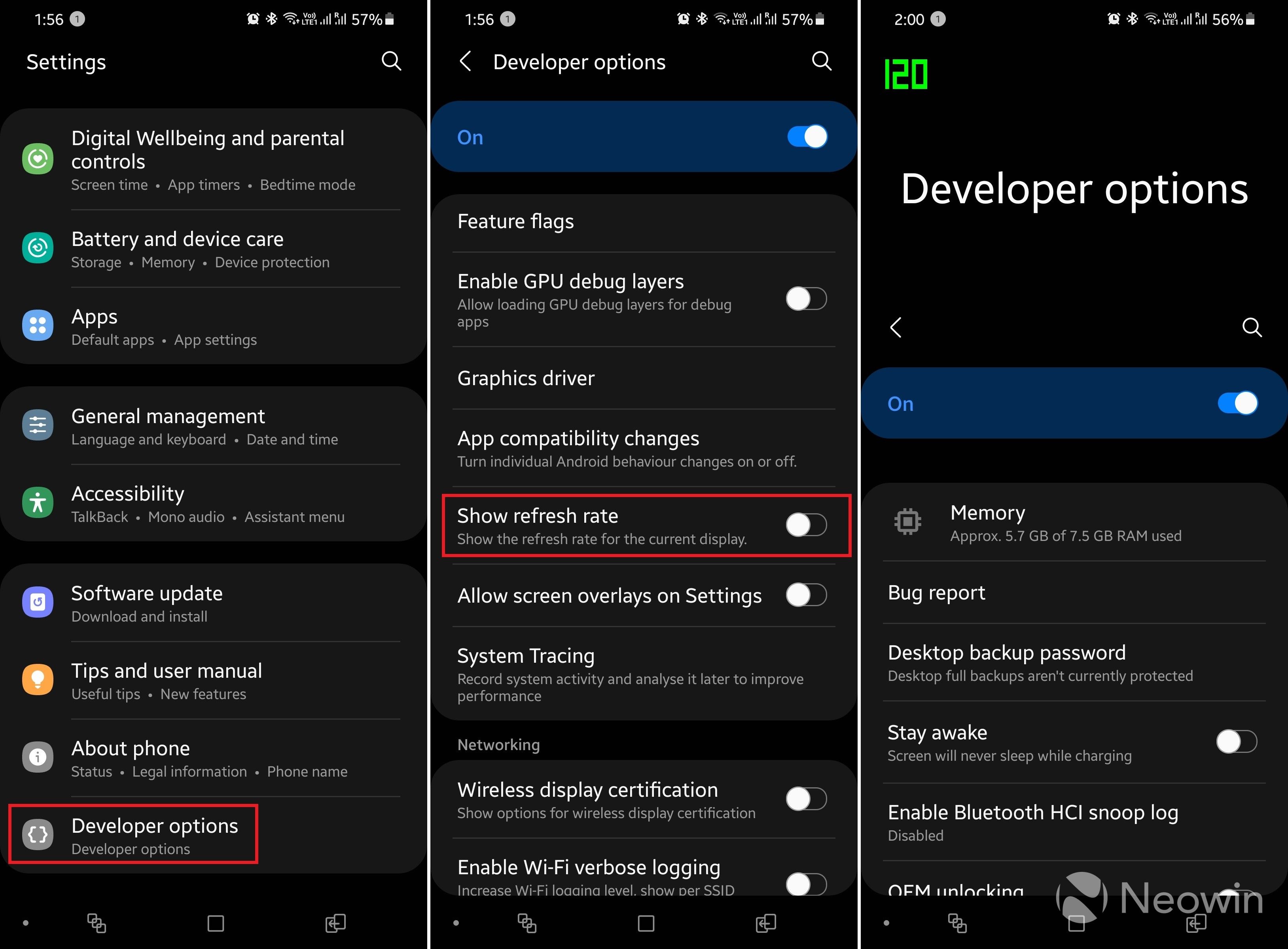
Forcing a constant 0Hz refresh rate also introduces inefficiencies. Running a fixed 0Hz mode on standard 0fps video can double display power draw without improving motion clarity. The ideal setup relies on dynamic switching modes that match display refresh multiples to the actual video source.
Troubleshooting Stutter: Step-by-Step
Follow these steps sequentially to isolate whether your playback problems stem from storage bottlenecks, decoding faults, or system throttling:
- Verify Hardware Decoding: Open Kuaishou's internal settings, locate the playback or decoding menu, and ensure hardware decoding is selected. This offloads video compute from the CPU, avoiding the 25% to 37% battery drain penalty cited by Streaming Media.
- Disable High-Definition Playback on Slower Devices: If your device uses older flash memory or an external memory card, turn off High-Definition Playback. This removes the 15–5MB/s write requirement noted by Taobao Jianghu and stops local cache failure cycles.
- Deactivate System Battery Saver: Switch your mobile operating system out of low-power mode. This prevents the OS from overriding refresh rate targets down to 0Hz or 0Hz, as reported by CSDN.
- Set Display to Dynamic Refresh: Avoid forcing a hard 0Hz lock for video consumption. Select your device's "Smart" or adaptive refresh rate mode so panel cycles match the underlying media frame rate.
- Evaluate Kuaishou Speed Edition: If severe stuttering persists on entry-level Android devices, use Kuaishou Speed Edition (快手极速版). As detailed by ZOL, Beijing Kuaishou Technology Co., Ltd. designed this lightweight client specifically for resource-constrained hardware by stripping out complex graphical modules, heavy UI special effects, and resource-intensive HD options.
| Issue Observed | Primary Technical Cause | Immediate Solution | Target Performance Result | Source |
|---|---|---|---|---|
| Rapid overheating & severe battery drop | Software decoding running on CPU | Toggle hardware decoding on in player settings | Restores up to 37% battery efficiency on 4000 mAh cells | Streaming Media |
| Video freezes followed by resolution drop | Slow local write speeds failing 15–5MB/s HD cache | Disable High-Definition Playback in settings | Stops cache stalling and playback stalls | Taobao Jianghu |
| Live stream shifting between blur and clarity | Live Adaptive Streaming (LAS) reacting to network jitter | Check Wi-Fi/cellular connection stability | Maintains maximum dynamic bitrate up to Blu-ray 8M | iFeng Tech |
| Choppy scrolling and locked 0Hz refresh | OS Battery Saver clamping display refresh requests | Disable OS-level Battery Saver mode | Unlocks adaptive high-refresh requests | CSDN |
| Persistent app lag on entry-level phones | Full client UI effects and models overwhelming RAM | Migrate to Kuaishou Speed Edition (快手极速版) | Lowers memory, CPU, and storage overhead | ZOL |
Frequently Asked Questions
Why does Kuaishou video quality suddenly degrade or start buffering during playback?
During live streams, Kuaishou's Live Adaptive Streaming (LAS) automatically downscales bitrate and resolution when it detects network congestion to maintain continuous playback without pausing, as outlined by iFeng Tech. For short clips, high-definition preloading requires 15–5MB/s write throughput; according to Taobao Jianghu, insufficient local storage write speeds cause cache failure and force the player to downscale.
How can I reduce battery drain and thermal throttling while watching Kuaishou?
Ensure hardware decoding is active in player settings. Streaming Media notes that software decoding increases device power consumption by 25% to 37% and spikes CPU temperatures. Also avoid forcing fixed 0Hz display refresh rates on 0fps or 0fps video, which unnecessarily inflates display power consumption without adding visual smoothness, as explained on CSDN.
What should low-end Android users do if the main Kuaishou app continues to lag?
Switching to Kuaishou Speed Edition (快手极速版) is recommended for older devices. As confirmed by ZOL, this official client strips out heavy background algorithms, complex UI effects, and high-resource HD presets to prioritize smooth playback on constrained hardware.

Community
Comments